



In today’s fast-paced and demanding work environment, employee wellbeing is no longer just a “nice-to-have”, it has become a critical business priority. Across industries, organizations are facing increasing pressure to maintain productivity while managing rising stress levels, digital fatigue, and evolving workforce expectations. Understanding the employee burnout signs early is critical for organizations that want to protect productivity, retain talent, and maintain a healthy workplace culture.

Across workplaces in Malaysia, employee burnout is becoming an increasingly common challenge as organizations adapt to higher demands and evolving work environments. Burnout rarely happens overnight. It develops gradually, often unnoticed until it begins to affect performance, morale, and ultimately, business outcomes. For organizations that aim to remain competitive and resilient, recognizing the early warning signs is essential.

What Is Employee Burnout and How to Identify It Early?

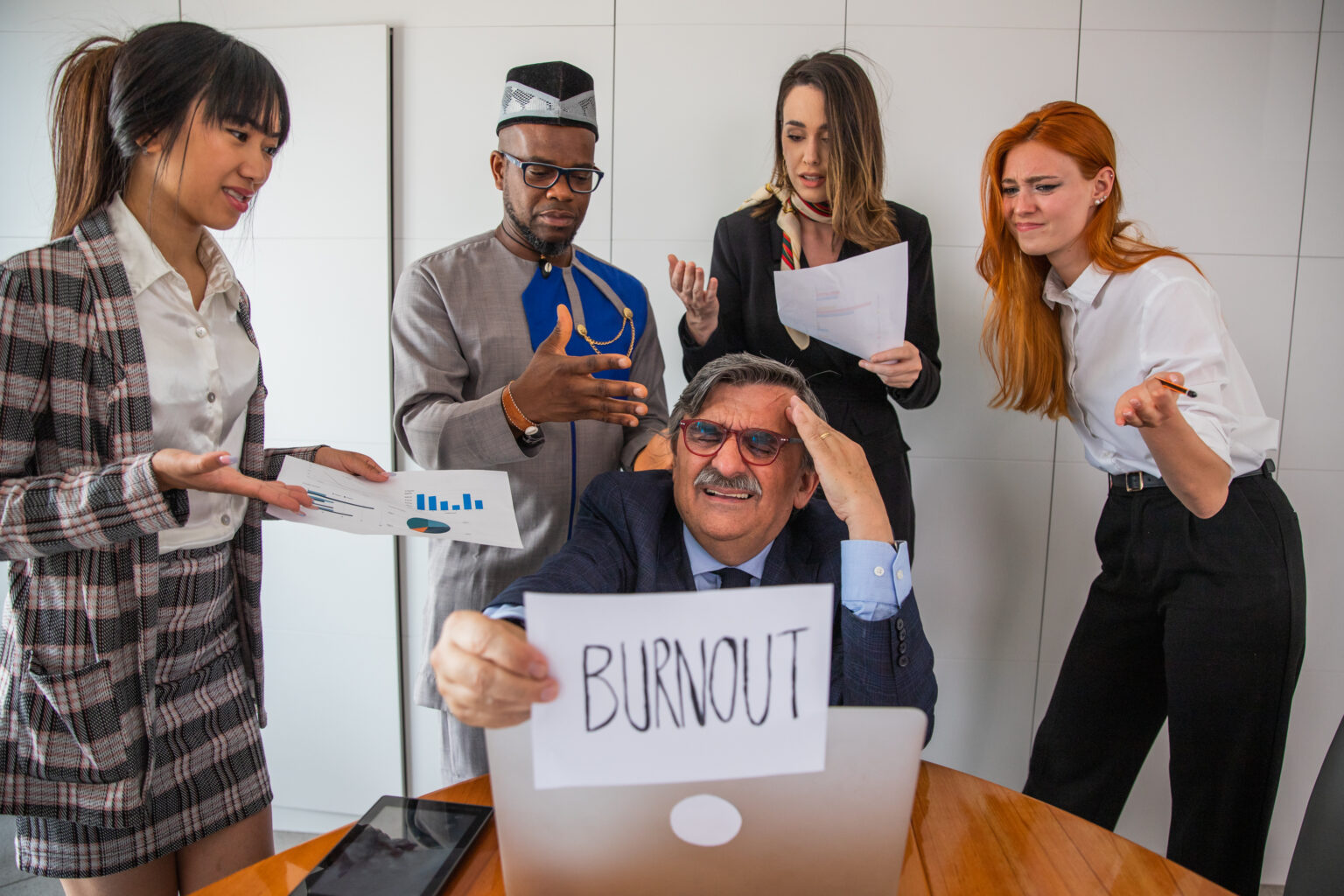
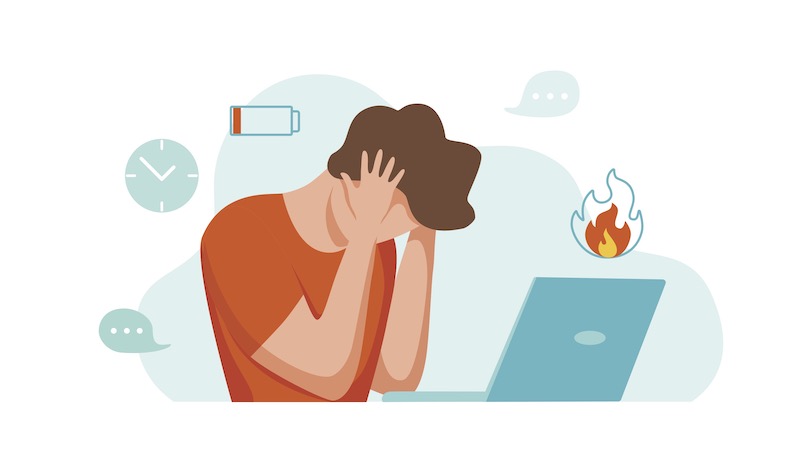
Employee burnout is a state of physical, emotional, and mental exhaustion that arises from prolonged workplace stress. It is commonly linked to overwhelming workloads, lack of control, and insufficient support. Over time, this condition can lead to detachment from work, reduced effectiveness, and a decline in overall wellbeing.

The World Health Organization recognizes burnout as an occupational phenomenon characterized by exhaustion, increased mental distance from one’s job, and reduced professional efficacy. This recognition reinforces the importance of addressing burnout not just as an individual issue, but as an organizational concern.

Constant Fatigue and Low Energy

One of the earliest and most noticeable signs of burnout is persistent fatigue. Employees who were once energetic and proactive may begin to appear constantly tired, even after rest. Their enthusiasm for work diminishes, and tasks that were previously manageable start to feel overwhelming.

This shift is often subtle at first. A team member who used to contribute actively may become quieter or slower in completing assignments. While occasional fatigue is normal, consistent low energy over time is a strong indication that something deeper may be affecting the individual.

Declining Work Performance

As burnout progresses, it begins to impact cognitive performance. Employees may struggle to focus, experience difficulty making decisions, or start missing deadlines. The quality of their work may decline, and errors may become more frequent.

From a business perspective, this is where burnout becomes particularly costly. Reduced productivity and increased mistakes can affect team outcomes, client satisfaction, and overall operational efficiency. What initially appears to be a performance issue is often rooted in unmanaged stress.

Increased Irritability or Emotional Outbursts

Burnout does not only affect physical energy and performance; it also disrupts emotional stability. Employees experiencing burnout may become more sensitive, easily frustrated, or reactive in situations that would not have previously affected them.

This change in behavior can lead to tension within teams. Interactions that were once collaborative may become strained, and feedback may be received defensively. Over time, this can erode workplace relationships and create an unhealthy working environment if left unaddressed.

Withdrawal and Disengagement

Another common sign of burnout is withdrawal from work and colleagues. Employees may begin to disengage, participating less in meetings, avoiding collaboration, or limiting their contributions to only what is necessary.

This form of disengagement is particularly concerning because it is often quiet and gradual. Unlike visible conflict or performance issues, withdrawal can go unnoticed until it becomes deeply ingrained. When employees lose their sense of connection to their work, both morale and team dynamics suffer.

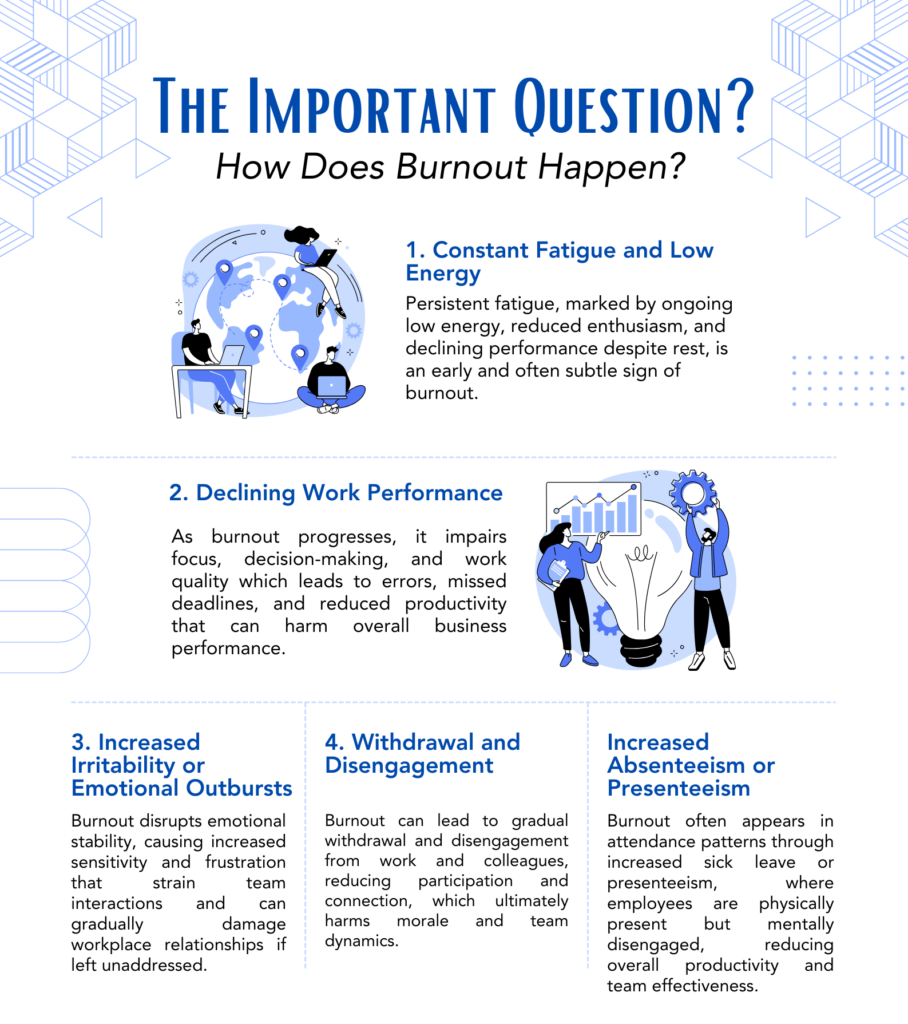
Increased Absenteeism or Presenteeism

Burnout often manifests in attendance patterns. Some employees may take more frequent sick leave as stress begins to affect their physical health. Others may still come to work but remain mentally disengaged, struggling to focus or contribute meaningfully.

This phenomenon, often referred to as presenteeism, can be just as damaging as absenteeism. While employees are physically present, their reduced effectiveness impacts productivity and team performance in less visible but equally significant ways.

Why Burnout Happens

Burnout is rarely caused by a single factor. It typically develops as a result of ongoing workplace conditions that place sustained pressure on employees. Excessive workloads, unclear expectations, lack of recognition, and poor leadership all contribute to an environment where burnout can thrive.

In many cases, employees also struggle with maintaining a healthy balance between work and personal life. When recovery time is limited and stress becomes continuous, even high-performing individuals can reach a breaking point. Understanding these root causes is essential for organizations that want to address burnout effectively rather than treating only its symptoms.

What Organizations Can Do About It

Addressing burnout requires a proactive and structured approach. Organizations that prioritize mental wellness often see improvements not only in employee satisfaction but also in overall performance and retention.

Creating a culture where open conversations about mental health are encouraged is a critical first step. When employees feel safe to express concerns, issues can be addressed earlier before they escalate. At the same time, leaders must be equipped with the skills to recognize signs of burnout and respond appropriately.

Providing access to mental wellness initiatives, managing workloads realistically, and ensuring clear communication across teams are all part of building a supportive environment. Many organizations in Malaysia are also beginning to invest in emotional intelligence training and mental wellness training as part of their long-term strategy to reduce workplace burnout and improve employee resilience.

The Role of Emotional Intelligence in Preventing Burnout

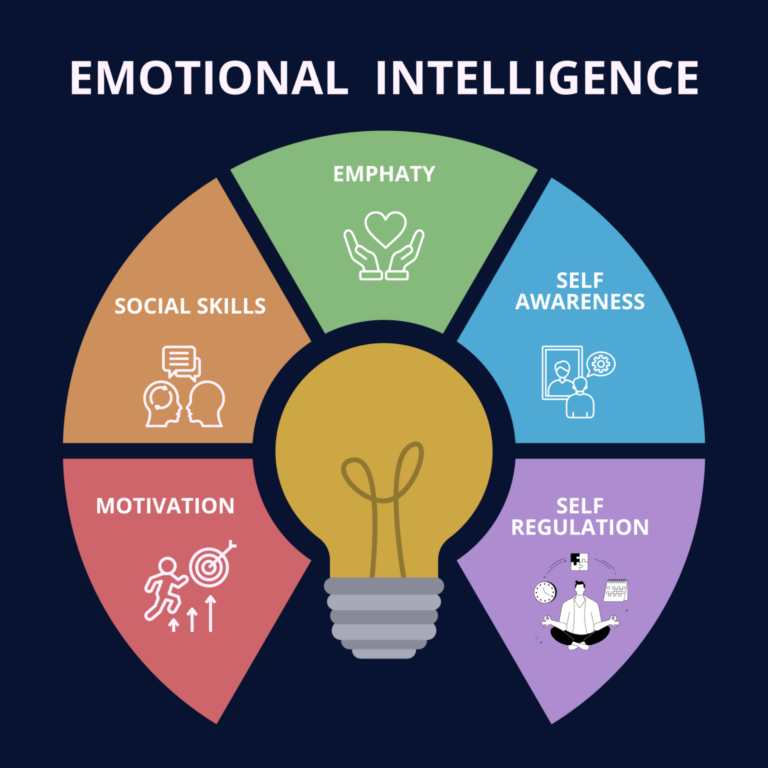
Emotional intelligence plays a central role in both identifying and preventing burnout. It enables individuals to better understand their own emotional state while also recognizing the needs of others.

Employees with strong self-awareness are more likely to detect early signs of stress and take action before burnout develops. Leaders who demonstrate empathy are better positioned to support their teams, while effective communication helps reduce misunderstandings and workplace tension.

Organizations that invest in developing emotional intelligence create teams that are not only more collaborative but also more adaptable in the face of challenges. This makes emotional intelligence an essential component of any long-term strategy for employee wellbeing.

Conclusion: From Awareness to Action

Employee burnout is not simply an individual issue; it is a reflection of how work is structured and managed within an organization. When left unaddressed, it can lead to declining performance, increased turnover, and a weakened workplace culture.

However, burnout is preventable. By recognizing the early signs and taking proactive steps to support employees, organizations can create a healthier and more sustainable work environment. By understanding and addressing employee burnout signs early, organizations can take meaningful steps toward building a more resilient and high-performing workforce.

In the end, organizations that prioritize their people are the ones that continue to grow, adapt, and perform in an increasingly demanding world.