

Leadership in today’s workplace is evolving rapidly. While technical expertise and operational knowledge remain important, they are no longer the defining qualities of effective leadership. Organizations increasingly recognize that the ability to guide, influence, and inspire people is what truly separates great leaders from average managers. In this context, leadership soft skills have become essential for managers who want to build strong teams and achieve sustainable organizational success.

Traditionally, many managers were promoted because of their technical competence or years of experience within a particular role. However, managing tasks and leading people require very different capabilities. Modern workplaces are more collaborative, diverse, and dynamic, meaning that leaders must be able to communicate effectively, resolve conflicts, motivate employees, and guide teams through uncertainty.

Communication: The Foundation of Effective Leadership

One of the most fundamental leadership soft skills is effective communication. Leaders must be able to convey expectations clearly, share organizational goals, and provide constructive feedback that supports employee growth. Clear communication helps prevent misunderstandings and ensures that every team member understands their responsibilities and objectives.

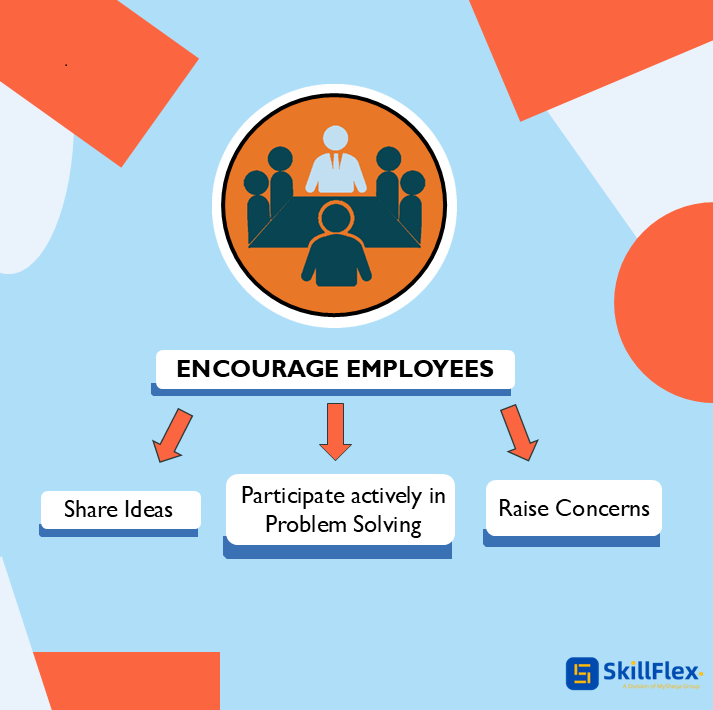
In addition, leaders who maintain open communication channels to encourage employees to share ideas, raise concerns, and participate actively in problem-solving. As highlighted in a PandaHR article on workplace transparency, organizations that communicate openly and provide honest feedback are able to strengthen employee engagement and build stronger trust within teams. This creates a workplace environment built on transparency and trust, where employees feel more confident contributing to the organization’s success.

Emotional Intelligence in Leadership

Another critical soft skill in modern leadership is emotional intelligence. Emotional intelligence refers to a leader’s ability to recognize and manage their own emotions while also understanding the emotions of others. According to the Harvard Business School Online, emotional intelligence involves key competencies such as self-awareness, self-regulation, empathy, and social skills, which enable leaders to interact effectively with others and navigate workplace relationships more successfully.

Leaders who demonstrate strong emotional intelligence are better equipped to manage workplace challenges, resolve conflicts, and maintain positive relationships within their teams. When employees feel respected and understood, they are more likely to remain engaged, cooperative, and productive. This makes emotional intelligence a key component of effective workplace leadership

Problem-Solving and Decision-Making

Effective leaders must also develop strong problem-solving and decision-making capabilities. Workplace challenges rarely have simple solutions, and leaders are often required to analyze information carefully, evaluate risks, and consider different perspectives before making decisions.

Leaders who approach problems with a structured and thoughtful mindset can identify solutions that benefit both the organization and their teams. In many cases, successful leaders also involve their employees in the decision-making process, encouraging collaboration and innovation. According to an article by AEEN, effective leaders go beyond simply reacting to challenges. They guide their teams with clarity, empathy, and trust while communicating openly and making timely decisions, even when complete information may not be available.

Adaptability in a Changing Work Environment

Modern workplaces are constantly evolving due to technological advancement, economic shifts, and changing workforce expectations. As a result, adaptability has become an essential leadership skill.

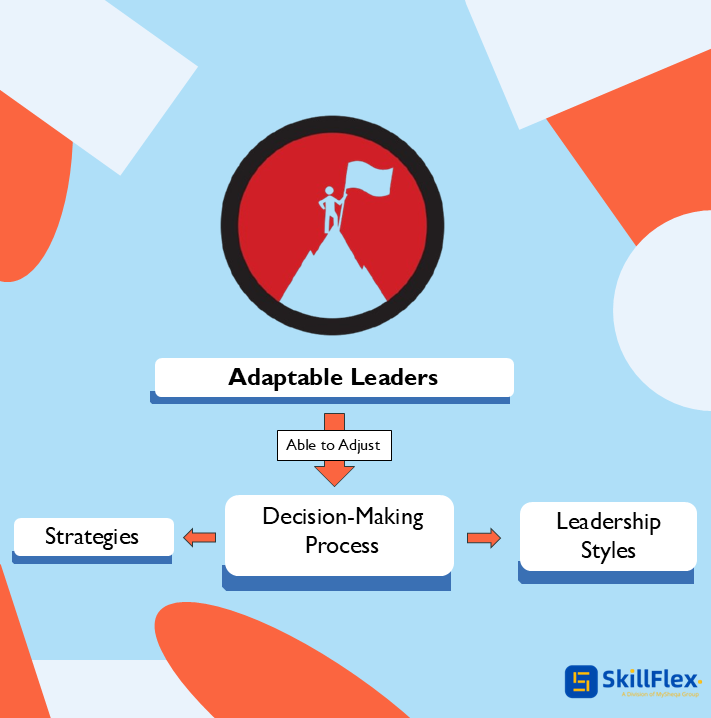
Managers who remain flexible and open to change are better prepared to guide their teams through uncertainty. Adaptable leaders are able to adjust their strategies, leadership styles, and decision-making processes based on new circumstances. This ability helps organizations remain resilient and competitive in an increasingly complex business environment.


Motivating and Inspiring Teams

A key responsibility of modern leadership is the ability to motivate and inspire employees. Leaders play an important role in shaping workplace culture and influencing team morale.

By recognizing employee contributions, providing opportunities for growth, and encouraging professional development, leaders can create an environment where employees feel valued and motivated. When employees understand how their work contributes to organizational goals, they are more likely to remain engaged and committed to delivering strong performance.

A study showed that effective leadership practices help foster a supportive organizational environment where employees feel encouraged to contribute their ideas and perform at their best.

Conclusion

Ultimately, leadership in the modern workplace is about people. Managers who develop strong leadership soft skills are better equipped to guide teams, build trust, and strengthen workplace collaboration. As organizations continue to navigate complex and rapidly changing environments, investing in leadership development and soft skills training has become increasingly important.

By cultivating skills such as communication, emotional intelligence, adaptability, and problem-solving, managers can evolve from simply supervising tasks to truly leading their teams toward long-term success.