

In today’s competitive and fast-changing business environment, Human Resource Management (HRM) has evolved into a strategic function that directly influences organizational success. Research consistently shows that effective HR practices are positively linked to improved employee performance, motivation, and overall business outcomes.

Organizations that invest in strong HR capabilities are better positioned to build high-performing teams, retain talent, and sustain long-term growth. However, many organizations still struggle to translate HR strategies into practical, real-world implementation. This is where structured frameworks, practical tools, and continuous professional development become essential.

Talent Acquisition and Workforce Planning

Talent acquisition is one of HR’s most fundamental responsibilities. Beyond hiring, it involves aligning workforce capabilities with long-term business strategy.

A study by Dr. Muhammad Majid Mahmood Bagram revealed that effective HRM practices, such as recruitment, selection, and workforce planning, play a significant role in enhancing employee performance and organizational competitiveness. The study highlights that organizations with structured hiring strategies are more likely to build capable and high-performing teams.

While many organizations recognize the importance of structured recruitment, translating these strategies into consistent hiring processes remains a challenge. HR professionals often require practical frameworks and guided approaches to implement workforce planning effectively in real-world environments. Explore practical HR frameworks and structured talent development approaches to strengthen your recruitment strategy.

Employee Development and Talent Management

Continuous learning and development are essential for maintaining a competitive workforce. HR is responsible for identifying skill gaps and implementing strategies that support both individual and organizational growth.

According to research published by the National Center for Biotechnology Information (NCBI), HRM practices such as training and development significantly improve employee motivation, job satisfaction, and retention. The study emphasizes that organizations investing in structured development programs tend to achieve higher productivity and stronger workforce commitment.

Despite this, many organizations struggle to design effective learning pathways that deliver measurable outcomes. Bridging this gap requires practical tools, structured methodologies, and hands-on application. Discover how structured learning and development strategies can improve workforce performance and retention.

Employee Engagement and Organizational Culture

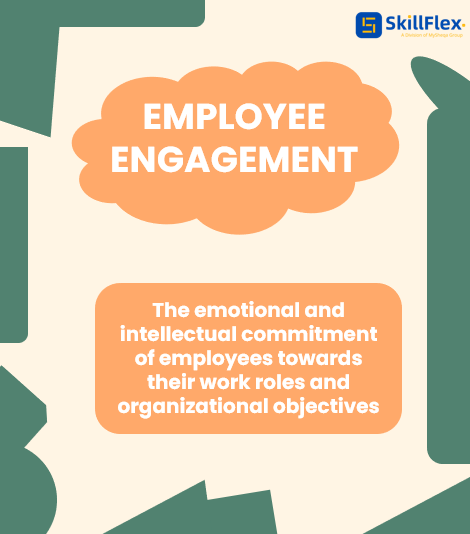
Employee engagement is a critical factor in determining organizational success. Engaged employees are more committed, productive, and willing to contribute beyond their basic responsibilities.

A study on employee engagement and organizational performance found that higher engagement levels are directly associated with increased productivity and improved organizational outcomes. The research further highlights that HR practices play a key role in shaping workplace culture and strengthening employee commitment.

However, creating a truly engaging workplace goes beyond theory, it requires consistent communication strategies, leadership alignment, and practical engagement tools. Learn how to implement effective employee engagement strategies that drive real workplace impact.

Leadership Development and Succession Planning

Effective leadership is essential for guiding organizations through change and ensuring long-term sustainability. HR plays a key role in identifying future leaders and preparing them through structured development initiatives.

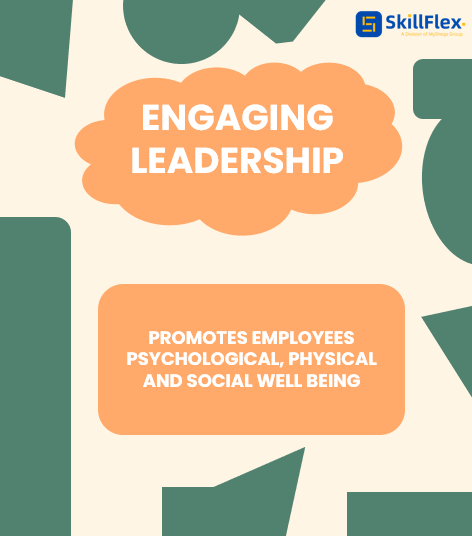
Research published in NCBI indicates that leadership has a significant impact on employee engagement, team effectiveness, and organizational performance. The study emphasizes that strong leadership development contributes to better decision-making and improved team dynamics.

Organizations that fail to invest in leadership development often face gaps in succession planning and long-term strategic direction. Strengthen leadership capabilities with practical approaches to coaching, mentoring, and succession planning.

Performance Management and Organizational Effectiveness

Performance management ensures that employeesefforts align with organizational goals. HR develops systems for setting expectations, evaluating performance, and providing feedback.

A study published by Emerald Insight found that structured performance management systems have a direct positive impact on employee productivity, job satisfaction, and organizational effectiveness. The research highlights that clear frameworks improve accountability and drive better business outcomes.

Yet, many organizations still rely on outdated appraisal systems that fail to deliver meaningful insights or improvements. Adopt modern performance management approaches to improve productivity and accountability across your organization.

Turning HR Strategy into Real Business Results

Human Resource Management is more than policies and processes, it is a strategic driver of organizational success. From attracting the right talent to developing leaders and improving performance, HR plays a critical role in shaping business outcomes.

However, the real challenge lies in execution. Organizations that succeed are those that equip their HR teams with the right skills, tools, and practical knowledge to implement these strategies effectively.